10 Creative Hobbies for Women That Can Boost Your IQ

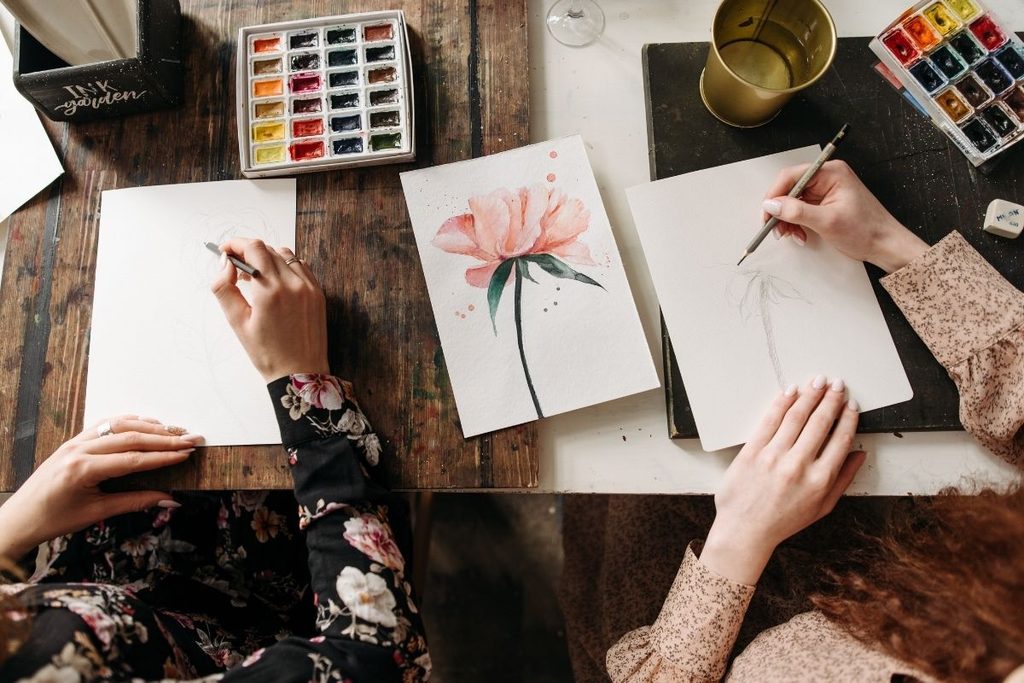
I did not set out to study my own brain. I set out to fill my evenings with something other than a screen. That is how most of this starts, isn’t it. You are tired of scrolling, tired of feeling dull by nine at night, and you want one hour that belongs only to you. What I found, almost by accident, is that the hobbies I picked for fun ended up doing something quieter and deeper. They made my thinking sharper. They made me notice more, remember more, connect ideas I used to miss.
I am not a scientist. I am who tried a lot of things over many years, kept some, dropped others, and paid close attention to what changed in my head along the way. Some of what follows is backed by real research. Some of it is just honest observation from someone who has sat at a pottery wheel at midnight wondering why her hands felt smarter than her mind did that day.
If you are here because you feel stuck, or bored, or quietly worried that your best thinking years are behind you, I want to tell you something plain. They are not. Your brain still builds new paths well into old age, and the right hobby is one of the cheapest, most joyful ways to build them.
Why A Hobby Can Actually Change How Your Mind Works
There is a real idea behind this, and it has a name: neural plasticity. Your brain keeps forming new connections between cells your whole life, not just when you are young. Every time you learn something hard, a new stitch pattern, a new brush stroke, a new word in another tongue, your brain builds a fresh path for that skill. Use the path often and it gets stronger. Ignore it and it fades.
A large cohort study using data from the English Longitudinal Study of Ageing followed nearly seven thousand adults over fifty and found that people with active hobbies had higher scores on memory and thinking tests, and a much lower chance of falling into a pattern of steady mental decline over time. Another study out of a UK research team, led by psychologist Dr. Helen Keyes, found that regular crafting predicted a person’s sense that their life felt worthwhile even more strongly than having a job did. That line stuck with me for weeks after I read it.
None of this means one hobby is a magic pill. A 2020 review of over fifty studies on music training and children found that once you strip out weak study design, the boost to non-music thinking skills was close to zero. Smart kids often get pushed into lessons, not the other way around. So I want to be honest with you here: a hobby will not hand you ten extra IQ points like a coupon. What it does is train the parts of thinking that intelligence tests actually try to measure: pattern spotting, working memory, focus, and flexible problem solving. Do that training often enough, over years, and the change in how your mind works becomes real, even if no test ever proves the number moved.
That is the honest promise of this list. Not a shortcut. A slow, steady sharpening that you will feel before anyone else notices it.
1. Drawing And Painting
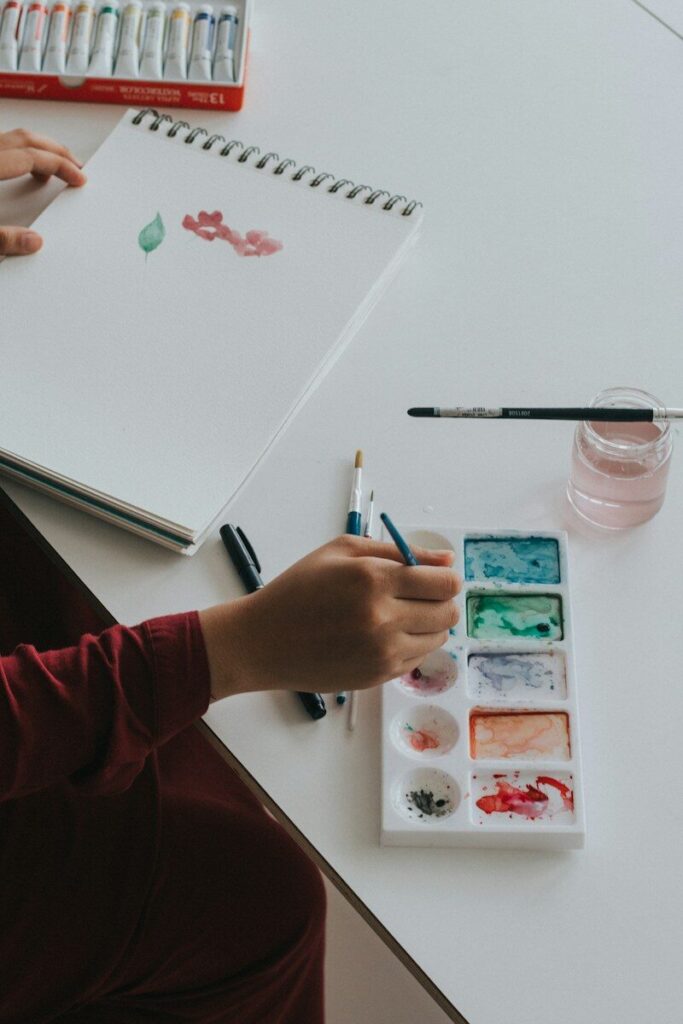
I picked up a sketchbook at thirty two, mostly out of jealousy watching a friend fill hers on a train ride. My first pages were awful. Stiff hands, uneven lines, faces that looked more like potatoes than people. I almost quit twice in the first month.
What kept me going was a strange side effect. I started noticing shadows on walls I had walked past for years. I started seeing the actual shape of a leaf instead of just the word “leaf” in my head. Drawing forces your brain to slow down and truly look, rather than just label and move on, and that habit of close looking spills into everything else you do.
Painting and drawing pull on visual-spatial thinking, planning, and fine motor control all at once, and researchers studying older adults have linked regular art making with slower decline in exactly those areas. You do not need talent to start. You need patience with your first fifty bad drawings, because the fiftieth one will already be better than the first.
Quick answers if you are just starting:
- Best tool for beginners: a plain pencil and a cheap sketchbook, nothing fancy
- Time needed to see change: most people notice steadier hands and sharper eyes within six to eight weeks of short daily practice
- Cost to start: under twenty dollars
2. Calligraphy And Hand Lettering
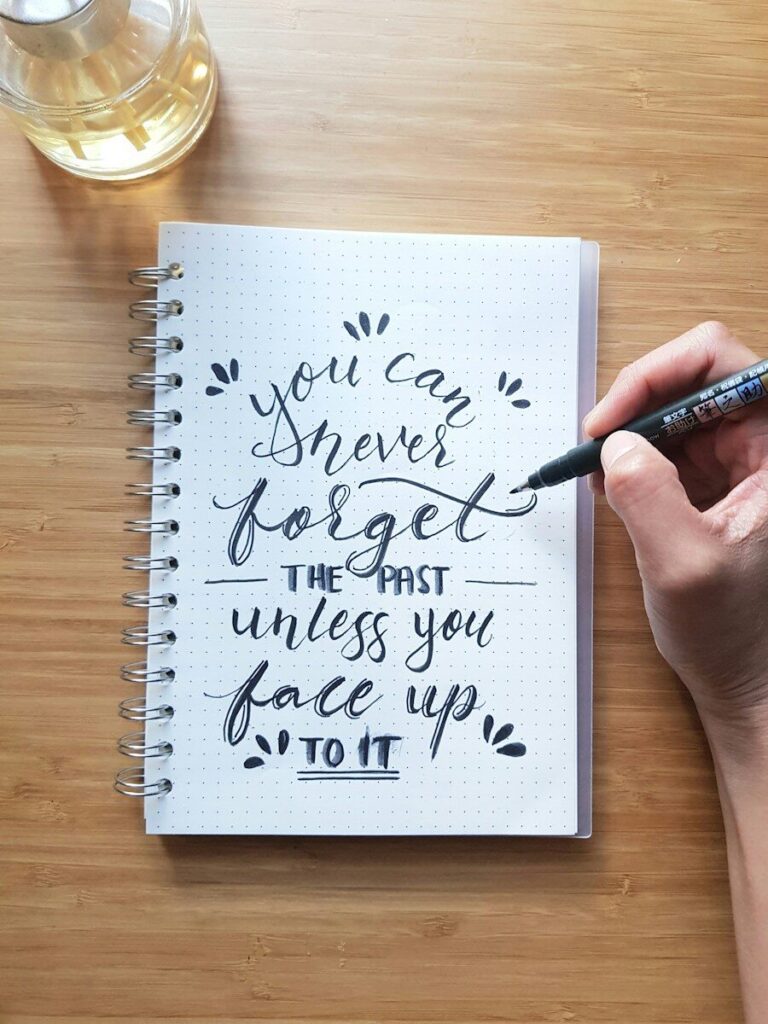
I started calligraphy because a friend’s wedding invitations looked too pretty to be store bought, and I wanted to know if I could make something like that with my own hand. What I did not expect was how much it would ask of my focus. Every letter is a small act of control: pressure going down, release coming up, spacing judged by eye, nothing rushed.
That slow, exact repetition trains something psychologists call sustained attention, the ability to hold your focus on one demanding task without drifting. I noticed the carryover fastest at work. Meetings that used to scatter my thinking started feeling easier to follow, simply because I had spent an hour the night before forcing my mind to stay on one line at a time. Hand lettering also leans hard on fine motor control and spatial judgment, since you are constantly estimating spacing, size, and balance without a ruler, and those are the same visual-spatial skills that show up in block design and pattern tasks on standard intelligence tests.
There is also a quieter benefit that surprised me. Writing letters slowly, by hand, forces a kind of patience that typing never demands. My first alphabet looked shaky and uneven, more like a child’s practice sheet than anything frameable. I kept it anyway, the same way I kept my first lopsided pottery bowls, as proof that clumsy beginnings are simply part of how a steady hand gets built.
Quick answers if you are just starting:
- Best tool for beginners: a brush pen, not a dip pen, since it forgives mistakes better
- Time needed to see change: most people notice steadier lines and better focus within four to six weeks of short daily practice
- Cost to start: under fifteen dollars
3. Journaling And Reflective Writing

This one surprised me the most. I started journaling to deal with a hard year, not to get smarter. But writing by hand, slowly, without editing yourself, forces your brain to organize scattered thoughts into a line that makes sense. That act of organizing is a thinking skill in its own right.
Psychologist James Pennebaker spent decades studying expressive writing and found that people who wrote honestly about their thoughts for just fifteen minutes a day, several days in a row, showed better immune function and clearer thinking afterward. I noticed my own version of this. On weeks I journaled daily, my decisions at work felt less tangled. I could see my own reasoning on the page and catch the parts that did not hold up.
Writing also builds vocabulary and verbal reasoning, two things that show up directly on most intelligence tests. You do not need to write well. You need to write honestly, and often.
4. Puzzles, Chess, And Strategy Games

I resisted chess for years because I thought it was a hobby for people who liked losing slowly in public. Then I tried it with my daughter’s old set and got hooked within a week. Chess, jigsaw puzzles, sudoku, and other strategy games train a very specific skill: holding several possibilities in your head at once while you weigh them against each other.
That skill has a name in psychology: fluid reasoning, the ability to solve new problems you have never seen before, without relying on facts you already know. Fluid reasoning is one of the core things IQ tests measure. Chess players who train seriously tend to score higher on tasks involving planning and pattern recognition, and the effect grows with the hours put in, not just natural talent.
A few honest notes from my own year of playing:
- Beginners improve fastest in the first three months, then progress slows and steadies
- Playing against a slightly stronger opponent teaches more than playing against a weaker one
- Online puzzle apps work fine if a board and pieces feel intimidating at first
5. Learning A New Language
I tried Spanish at twenty five and quit after six weeks. I tried again at thirty eight, with almost no free time, and somehow it stuck. The difference was not talent. It was that the second time, I treated it like a daily habit instead of a project to finish.
Language learning is one of the most demanding things you can ask your brain to do as an adult, because it forces old pathways, your native grammar, your native sounds, to sit next to brand new ones without getting confused. Bilingual adults consistently show stronger performance on tasks that require switching attention quickly between tasks, a skill called cognitive flexibility. Some long term studies even link bilingualism with a later average age of onset for dementia symptoms, by several years in some samples, though researchers are still working out exactly why.
You do not need fluency to get the brain benefit. Even a shaky, imperfect grasp of a second language, used regularly, keeps that flexibility muscle active.
6. Knitting And Crochet
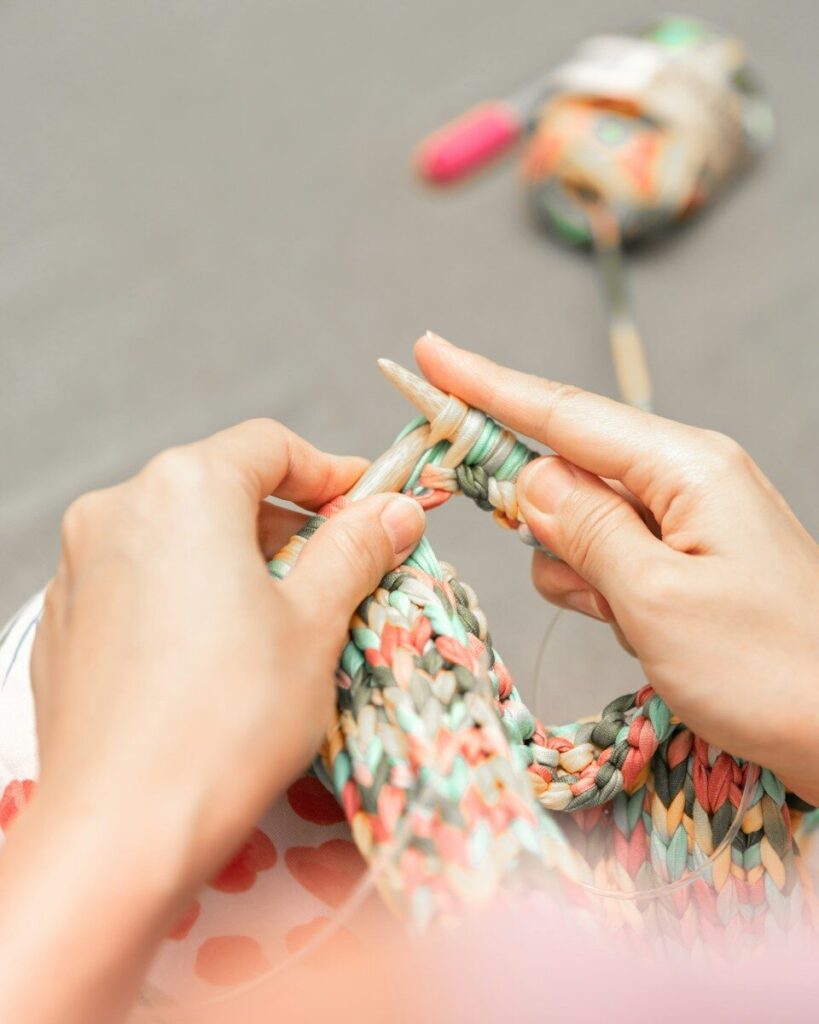
I was skeptical that yarn could do much for a mind. I was wrong. Knitting asks you to track a pattern, count stitches, correct mistakes without losing your place, and keep your hands moving in rhythm, all at the same time. That combination lights up several regions of the brain together, the parts tied to attention, memory, and fine motor control.
Regular knitters who practice several times a week report noticeably better focus and lower stress than those who knit occasionally, according to research summarized by cognitive health researchers studying craft hobbies in older adults. I believe it. There is something about the repetitive motion that settles a racing mind while still keeping it working, almost like a form of moving meditation with a scarf as proof you did it.
If you are new to it, expect frustration in the first two weeks. Dropped stitches are part of learning, not a sign you are bad at this.
7. Gardening

My mother gardened her whole life and I used to think it was just something older women did to pass time. Now I garden too, and I understand what I missed. Gardening is planning, problem solving, and patience training disguised as a hobby with dirt under your nails.
One study on older adults found that just two hours a week of gardening activity, for eight weeks, produced a measurable improvement in hand eye coordination. Beyond the physical side, gardening asks you to hold a mental model of a whole season in your head: what to plant now for a harvest months away, how weather will change your plan, how to fix a problem you did not expect. That kind of long range planning is exactly the sort of thinking that day to day life rarely demands of us anymore.
There is also something quietly humbling about it. A garden does not care how smart you are. It only responds to attention, and that lesson alone has taught me more patience than almost anything else on this list.
8. Pottery And Ceramics
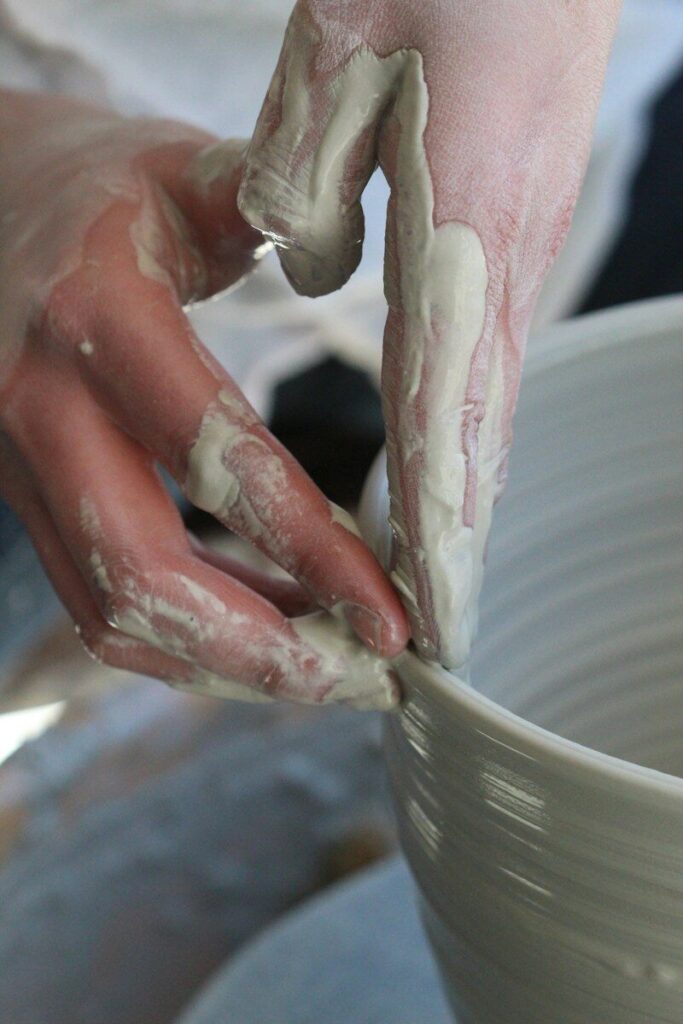
Clay does not forgive a wandering mind. The moment your attention drifts, the pot on the wheel wobbles, and you feel it instantly in your hands before your brain even catches up. That immediate feedback loop is part of why pottery feels so mentally clarifying. You cannot multitask your way through it.
Working with your hands in this focused, tactile way engages what researchers call embodied cognition, the idea that physical action and mental thought are more tightly linked than we usually assume. Shaping clay trains spatial reasoning, the same skill used in mental rotation tasks common on IQ tests, where you have to imagine turning an object in your mind.
My first ten bowls looked like lopsided ashtrays. I kept every one of them on a shelf, partly out of pride and partly as proof that getting worse before you get better is simply how this kind of learning works.
9. Birdwatching
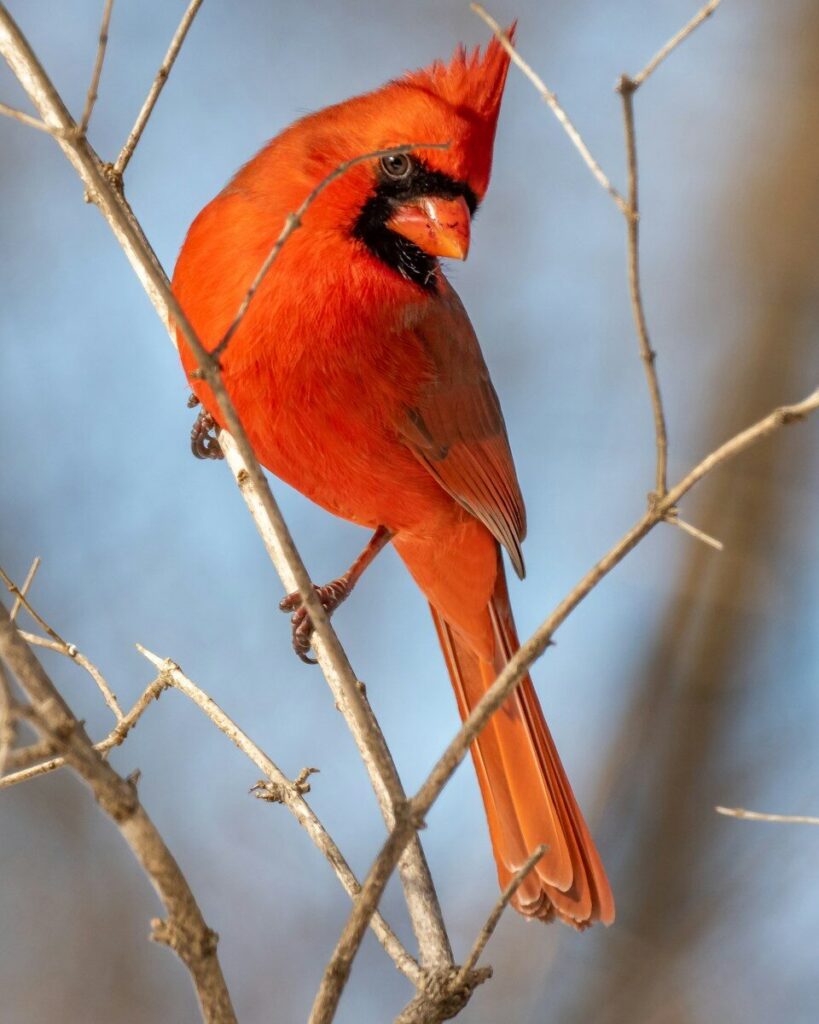
I used to think birdwatching was a hobby for retired men with binoculars and endless patience I did not have. Then a friend dragged me out at six in the morning to a wetland trail, and I stood there for twenty minutes just trying to tell a heron from an egret. It was harder than it sounds, and I left oddly hooked.
Birdwatching asks your brain to do something most of modern life does not: notice small differences quickly, under changing light, at a distance, often for a few seconds before the bird moves or flies off. That is a direct workout for visual discrimination and working memory, since you have to hold a mental picture of size, color, and shape in your head long enough to check it against a field guide later. Researchers studying nature based hobbies have found that time spent in focused outdoor observation lowers stress hormones and improves attention scores on tasks given right afterward, an effect sometimes called attention restoration.
There is also a slower gift buried in it. Keeping a simple list of birds you have spotted, called a life list by people who do this seriously, trains you to notice patterns over seasons: who arrives in spring, who leaves before winter, who never left at all. That kind of pattern tracking across time is close cousin to the reasoning skills used in scientific thinking, and I did not expect a pair of cheap binoculars to teach me that.
Quick answers if you are just starting:
- Best tool for beginners: an inexpensive pair of binoculars and a regional bird guide app
- Time needed to see change: most people notice sharper visual attention within three to four weeks of short weekly outings
- Cost to start: under thirty dollars
10. Photography

Photography taught me to see differently, and I mean that plainly, not as a nice sentiment. Once you start looking for a shot, you notice light, angle, and framing everywhere, even when your camera is at home. That habit of deliberate noticing trains visual attention, the same skill that lets you spot a small error in a document or a missing detail in a room.
Photography also asks you to make dozens of small technical decisions quickly, aperture, focus, timing, which builds quick decision making under mild pressure. I started with my phone, not an expensive camera, and the brain benefit was the same. The camera is just an excuse to practice paying closer attention to the world than you normally would.
How To Pick The Right Hobby For Your Mind
Do not pick a hobby because it looks good on a list, including this one. Pick based on what kind of thinking you feel weak in right now.
- If your memory feels foggy, try knitting, birdwatching, or language learning
- If you feel scattered and unfocused, try pottery or painting, both demand full attention
- If you want sharper planning skills, try gardening or chess
- If you want clearer thinking on paper, try journaling
- If you crave calm along with the mental benefit, pottery and knitting tend to feel the most meditative
Give any new hobby at least six weeks before judging whether it is working. The first stretch of any new skill feels clumsy and slow, and that clumsiness is not a sign of failure. It is the exact process your brain uses to build a new path.
Mistakes I Made That Slowed My Own Progress
I switched hobbies too often in my first year, chasing the feeling of being a beginner instead of pushing through it. I also compared my third week of painting to someone else’s third year, which is an unfair fight nobody wins. And for a long stretch, I picked hobbies based on what looked impressive rather than what actually held my attention, which meant I quit most of them within a month.
The hobbies that actually changed my thinking were the boring, unglamorous ones I kept doing on ordinary Tuesdays, not the exciting ones I did once and posted about.
Frequently Asked Questions
Can a hobby really raise your IQ? Not directly, and I want to be honest about that. What a hobby can do is strengthen the specific mental skills, memory, focus, spatial reasoning, pattern recognition, that IQ tests are built to measure. Over months and years, that training shows up as clearer, faster thinking in daily life, even without a test score to prove it.
How much time do I need each week to see a change? Most of the research points to consistency mattering more than duration. Twenty to thirty minutes, three or more times a week, tends to beat one long weekend session, because your brain builds new paths through repetition, not intensity.
Am I too old to start? No. Several of the strongest studies on hobbies and brain health were done on adults over fifty and sixty, and the results were still positive. Brains keep changing at every age.
What if I have no natural talent? Almost nobody does at the start. Talent shows up after practice, not before it. Every hobby on this list rewards persistence far more than starting skill.
Can I combine more than one hobby from this list? Yes, and research on creative engagement in older adults actually found that people who kept up four or more creative activities showed stronger cognitive scores than those who kept up just one or none.
Key Takeaways
- No single hobby is a shortcut to a higher IQ, despite what some headlines promise
- Consistency over months matters far more than talent or expensive tools
- The first weeks of any new hobby feel clumsy, and that clumsiness is the actual learning happening
- Hobbies that demand full attention, pottery, painting, chess, tend to bring the clearest mental benefit
- Crafting and creative hobbies have been linked to a stronger sense that life feels worthwhile, sometimes more strongly than a job does
- Combining a few different hobbies appears to help more than sticking to just one
A Final Thought
I did not become smarter overnight, and I do not think anyone truly does. What changed, slowly, over years of bad drawings and dropped stitches and clumsy chess openings, was how patient I became with my own learning curve. Albert Einstein once said that it is not that he is so smart, it is that he stays with problems longer. That line has stayed with me longer than almost anything else I have read on this topic.
Maybe the real gift these hobbies give is not a sharper mind exactly, but a mind more willing to sit with difficulty until it makes sense. I still do not know which one changed me the most. I only know I am glad I kept going long enough to find out.